
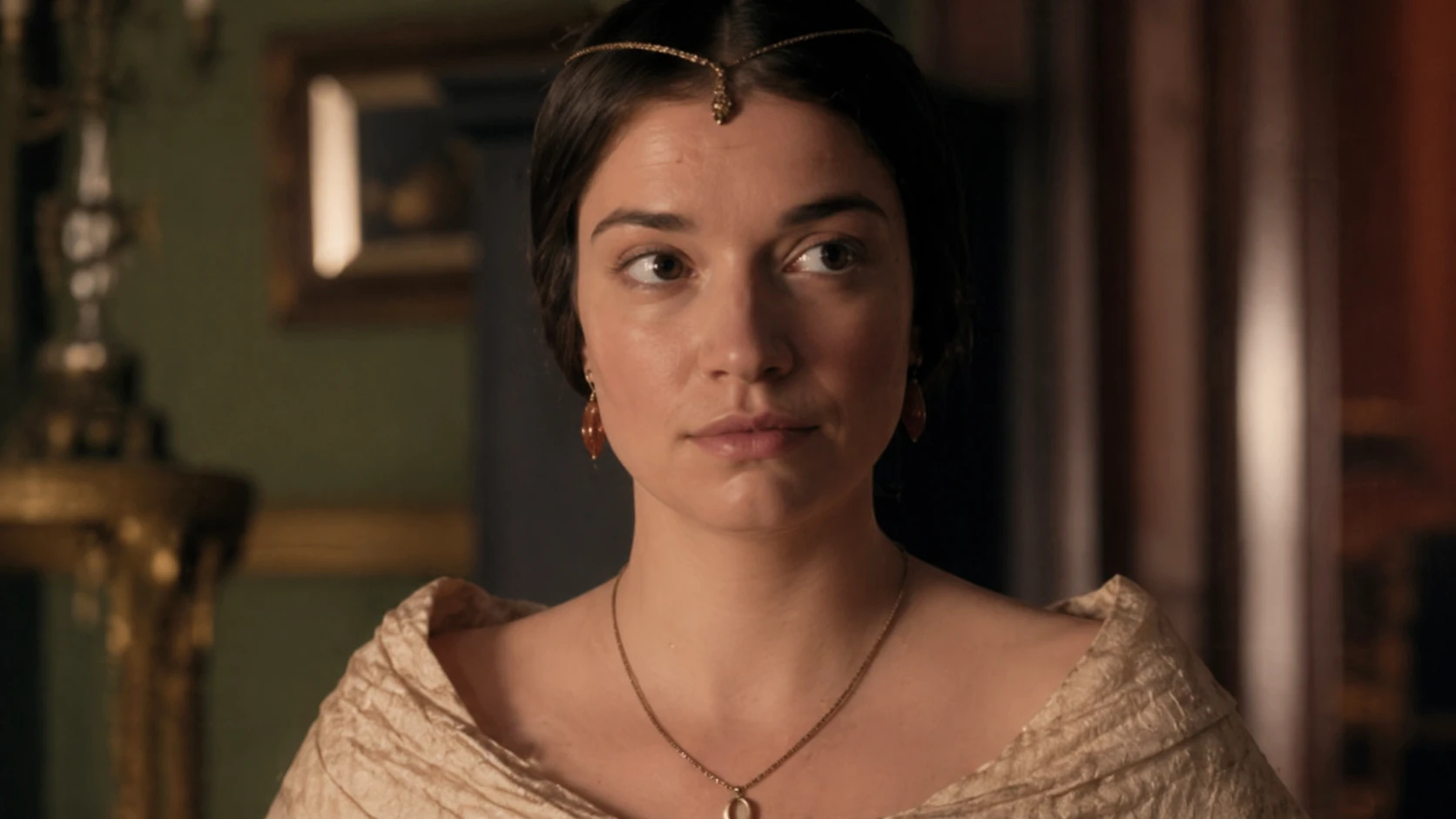
Marie Fargus’s name appears on screen for only a moment, tucked into the quiet space of a television credit roll. For many viewers, that fleeting tribute at the end of an episode of Victoria was the first time they encountered her. It was also the beginning of a question that still lingers: who was she, and why did she matter enough to be remembered in that way? The answer, while less dramatic than speculation might suggest, reveals the hidden structure of modern television and the people who keep it running.
Marie Fargus was a British television and film production professional whose career unfolded largely behind the scenes. She worked in production office roles across a range of projects, gradually building experience and trust within an industry that depends on reliability as much as talent. Her credits, while not widely known to the public, connect her to several well-regarded British dramas and films, including Victoria, Peaky Blinders, and Jonathan Strange & Mr Norrell. For those who worked with her, the memorial credit was not a mystery but a gesture of respect.
Early Life and Background
Public information about Marie Fargus’s early life remains limited, which is not unusual for professionals who work behind the camera. Unlike actors or directors, production staff rarely have biographies written about their childhoods or family histories. What can be said with confidence is that she was born in 1977 and spent her career working within the British screen industry, a field that often draws people from varied educational and social backgrounds.
The absence of detailed personal records should not be mistaken for a lack of story. Many production professionals enter the industry through practical routes rather than public-facing ones, learning on the job and building their careers project by project. In that sense, Fargus’s path likely followed a familiar pattern: early administrative or support roles, long hours in production offices, and a gradual rise through experience rather than visibility.
What’s striking is how little of this early phase is documented publicly. That gap reflects the broader nature of the industry, where thousands of skilled workers contribute to major productions without leaving a detailed public footprint. For someone like Fargus, the record of her life is written more clearly in credits than in interviews or profiles.
Education and Entry into the Industry
There is no widely confirmed public record of Marie Fargus’s formal education, and that silence again reflects the norms of her profession. Many people in production roles enter the industry through apprenticeships, entry-level jobs, or connections rather than formal academic pathways. Some come from film schools, while others begin in administrative positions and learn the craft from within.
Fargus’s earliest credited work suggests she began in junior roles within the production office. These positions typically involve managing paperwork, organizing schedules, coordinating communication, and supporting the broader production team. They are demanding roles that require attention to detail and the ability to handle pressure, especially on fast-moving television sets.
Not many people know this, but production office work often serves as the backbone of a shoot. It is where logistics are planned, problems are solved, and communication flows between departments. For someone starting out, it can be both exhausting and formative. The fact that Fargus continued in this line of work and advanced within it suggests she developed a strong reputation among colleagues.
Building a Career in Television Production
Marie Fargus’s career can be traced through her screen credits, which show a steady progression over more than a decade. Her early work included roles such as production secretary on British television series like Grange Hill and Heartbeat. These shows, while different in tone and audience, both required disciplined production teams to manage ongoing schedules and large casts.
As a production secretary, Fargus would have handled essential administrative tasks. These likely included organizing call sheets, managing correspondence, assisting with contracts, and ensuring that information reached the right people at the right time. It is work that demands precision and calm under pressure, especially when schedules shift or unexpected problems arise.
Over time, her responsibilities expanded. She moved into roles such as assistant production coordinator and eventually production coordinator, positions that involve greater oversight of the production office. This progression is not automatic; it reflects both experience and the trust of production managers who rely on coordinators to keep complex operations running smoothly.
Her credits during this period include work on DCI Banks and Monroe, both of which required coordinated efforts across multiple departments. These projects added to her experience and positioned her for work on larger and more ambitious productions.
Work on Major Productions
By the mid-2010s, Marie Fargus had become part of the production teams behind several high-profile British dramas. Her work on Peaky Blinders, for example, placed her within a production known for its scale, style, and demanding schedules. Shows like this rely heavily on coordination between departments, from costume and set design to location management and casting.
She also worked on Jonathan Strange & Mr Norrell, a complex period drama that required detailed planning and execution. Productions of this kind involve extensive logistical challenges, including historical accuracy, elaborate sets, and large crews. A production coordinator’s role in such an environment is both central and demanding.
Another notable credit is The Witness for the Prosecution, a television adaptation that required careful handling of script, cast, and production logistics. Each of these projects added to Fargus’s experience and demonstrated her ability to work within different types of productions.
What’s surprising is how consistent her career appears when viewed through these credits. She did not move into directing or producing roles, nor did she seek public recognition. Instead, she remained within the production office, building a career defined by reliability and professionalism.
Victoria and the Moment of Recognition
For many people, Marie Fargus’s name is inseparable from Victoria, the ITV period drama that dramatizes the life of Queen Victoria. Fargus worked on the series as a production coordinator, contributing to the complex logistics required to bring the show to life. The series involved large casts, detailed costumes, historical settings, and tight production schedules.
Her work on Victoria represents the culmination of her career trajectory. It placed her within a major television production with a wide audience and significant resources. For viewers, however, her role remained invisible, as is typical for production staff.
That changed with the tribute that appeared at the end of an episode. The dedication, which included her name and the years 1977–2017, was brief but powerful. It signaled that she had been an important part of the production team and that her loss was felt deeply by those who worked with her.
The truth is, such tributes are not given lightly. They reflect the collective decision of a production team to honor someone who made a meaningful contribution. In Fargus’s case, the tribute brought her name into public awareness, even as it left many details of her life unspoken.
Personal Life and Relationships
There is very little publicly confirmed information about Marie Fargus’s personal life. No widely available records detail her family, relationships, or whether she had children. This absence is not unusual for someone in her profession, where private life often remains separate from work.
What can be said is that she was part of a close-knit professional community. Television production teams often form strong bonds, particularly on long or demanding shoots. Colleagues rely on one another not just for work but for support during intense schedules and high-pressure situations.
The tribute on Victoria suggests that Fargus was valued not only for her professional contributions but also for her presence within that community. While the specifics of her relationships are not public, the gesture itself speaks to the respect she earned.
It is important to avoid filling this gap with speculation. Without confirmed information, any claims about her personal life would be guesses rather than facts. The available record supports a portrait of a private individual whose professional life was her most visible legacy.
Death and Public Response
Marie Fargus died in 2017 at the age of 40. The tribute on Victoria provides the clearest public acknowledgment of her passing, but it does not include details about the cause of death. As a result, various rumors have circulated online, ranging from illness to accident.
Here’s where careful reporting matters. There is no widely verified public record that confirms the circumstances of her death. In the absence of reliable sources, it is more accurate to acknowledge that the cause has not been publicly disclosed. Respect for privacy remains important, even when curiosity is strong.
The response to her death, as reflected in the tribute, indicates that she was a valued member of her professional community. While her passing did not generate widespread media coverage, it clearly had a significant impact on those who worked with her.
For viewers who encountered her name through Victoria, the tribute created a moment of connection. It invited them to recognize the human stories behind the production, even if those stories were only partially visible.
Career Earnings and Net Worth
There is no publicly confirmed information about Marie Fargus’s net worth, and any estimate would be speculative. Production coordinators and similar roles in the television industry are typically salaried or contract-based positions, with earnings varying depending on experience, project scale, and duration.
Industry data suggests that production coordinators in the UK can earn a steady income, particularly when working on major productions. However, these roles are not usually associated with celebrity-level wealth. Instead, they offer a stable career for those who remain in demand within the industry.
Fargus’s consistent work across multiple projects indicates that she was an active professional, but it does not provide a basis for calculating personal wealth. It is more accurate to view her career in terms of contribution and experience rather than financial figures.
Public Image and Industry Standing
Marie Fargus did not have a public image in the traditional sense. She did not appear in interviews, maintain a public persona, or engage with media coverage. Her reputation existed primarily within the industry, among the people who worked with her.
That said, her continued employment on respected productions suggests that she was regarded as reliable and capable. In the production world, reputation is built through performance rather than publicity. A coordinator who can handle pressure, communicate effectively, and keep a production running smoothly becomes a valuable asset.
The tribute on Victoria can be seen as a reflection of that standing. It is a rare moment when the invisible work of production becomes visible, even if only briefly. For those who knew her, it was likely a fitting acknowledgment.
Where Marie Fargus Is Remembered Today
Marie Fargus’s legacy exists primarily in the work she helped create. Each production she contributed to carries a small part of her effort, even if her name appears only in the credits. For viewers, her story is a reminder that television is a collaborative art form built on many unseen contributions.
Online, her name continues to appear in searches driven by curiosity about the Victoria tribute. These searches often lead to incomplete or inaccurate information, highlighting the need for careful, fact-based writing about her life.
Within the industry, her memory likely persists in a different way. Colleagues remember the people they work with not just for their roles but for their presence, their reliability, and their contributions to shared projects. That kind of legacy does not always leave a public record, but it can be just as meaningful.
Frequently Asked Questions
Who was Marie Fargus?
Marie Fargus was a British television and film production professional who worked primarily in production office roles. She contributed to several notable productions, including Victoria, Peaky Blinders, and Jonathan Strange & Mr Norrell. She became widely known after a tribute appeared in Victoria following her death in 2017.
What did Marie Fargus do on Victoria?
She worked as a production coordinator on Victoria, helping manage the logistics and communication necessary for the show’s production. Her role would have involved coordinating schedules, handling production documents, and supporting the overall operation of the production office.
Was Marie Fargus an actress?
No, Marie Fargus was not an actress. Her work was behind the scenes in production roles, which are essential to the functioning of television and film projects but are not visible on screen.
What was Marie Fargus’s cause of death?
The cause of her death has not been publicly confirmed in reliable sources. While there has been speculation online, no verified information provides details about the circumstances of her passing.
Did Marie Fargus have a family?
There is no widely available public information about her family, relationships, or personal life. She appears to have maintained a private life outside of her professional work.
What is Marie Fargus’s net worth?
There is no confirmed public estimate of her net worth. As a production professional, her income would have depended on her roles and projects, but it is not documented in public records.
Conclusion
Marie Fargus’s life offers a quiet but meaningful insight into how television is made. She was not a public figure, yet her work contributed to productions that reached wide audiences. Her career reflects the steady, often unseen effort that supports every finished episode.
The tribute on Victoria brought her name into public view, but it also highlighted how much of her story remains private. That balance between visibility and privacy is part of what makes her biography both simple and complex. The facts are clear, but the full picture belongs to those who knew her.
What remains is the work she helped create and the respect shown by her colleagues. In an industry that often celebrates the visible, her story is a reminder of the many people whose contributions are essential but rarely recognized. That recognition, even in a brief credit, can carry lasting meaning.
For readers, the takeaway is not just about one person but about the broader system of collaboration that defines television. Marie Fargus may not have been a household name, but her work was part of stories that reached millions. That, in its own way, is a legacy worth remembering.
