
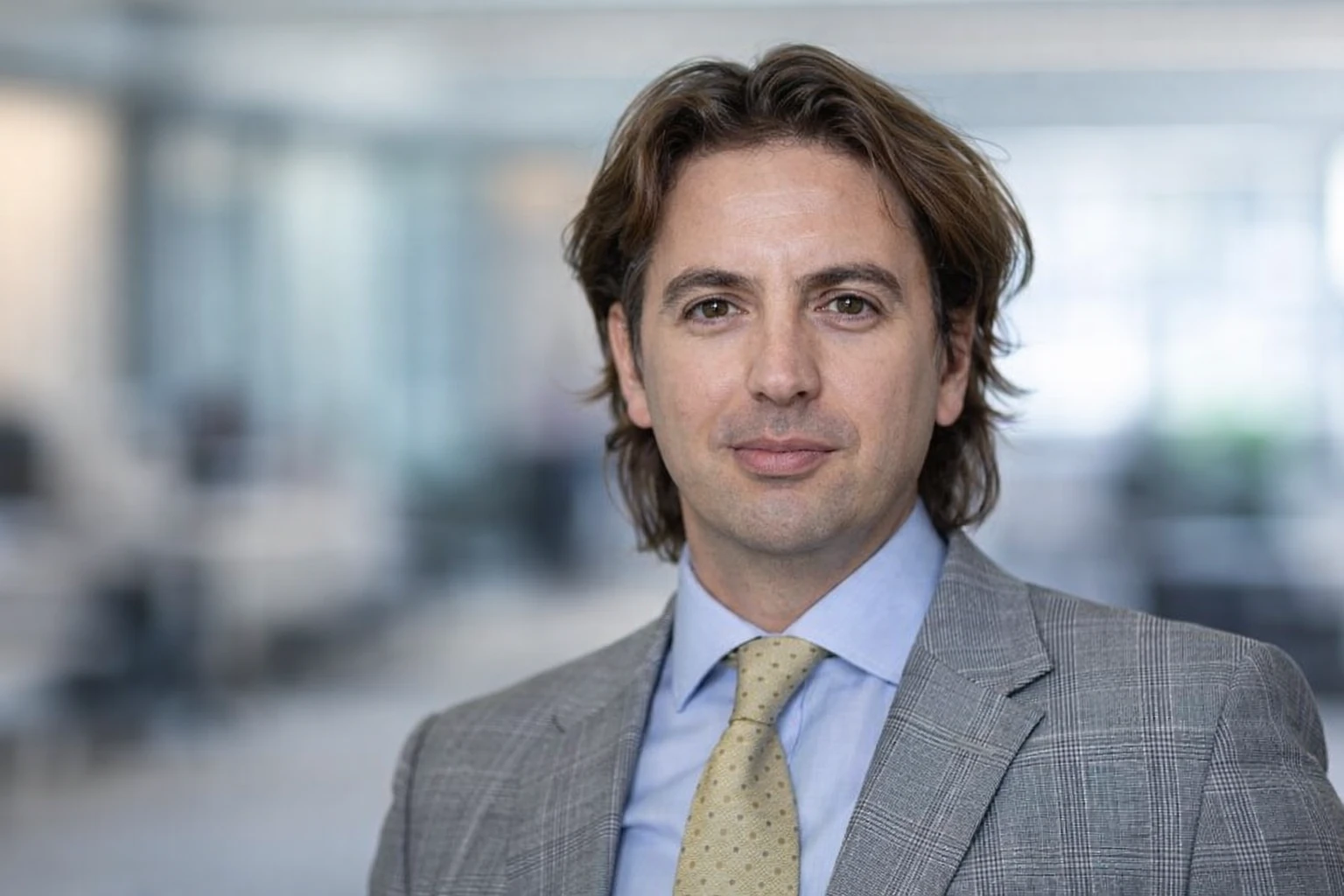
Kieran Clifton is not a household name, yet his decisions quietly shape how millions of people watch television every day. His work sits behind the interface—inside the deals, policies, and systems that determine whether public service broadcasters remain visible in a world increasingly dominated by global streaming platforms. In an era when the battle for attention has shifted from channels to apps and algorithms, Clifton has become one of the BBC’s most important strategic figures.
To understand Clifton is to understand a broader shift in television itself. He is not a presenter, actor, or executive who courts publicity. Instead, he operates in the infrastructure of media—distribution, partnerships, and the mechanics of access. That focus has placed him at the center of some of the most consequential changes in UK broadcasting over the past decade.
Early Life and Education
Kieran Oliver Edward Clifton was born in September 1971, according to official UK Companies House records. Compared with many senior figures in media, relatively little has been publicly shared about his childhood or early family life. That absence is not unusual for executives who have built careers outside the spotlight, and there is no widely verified reporting that details his upbringing beyond what can be confirmed through formal biographies.
What is known is that Clifton followed a traditional academic route into the upper ranks of British media. He studied Philosophy, Politics and Economics at St Edmund Hall, Oxford, a degree long associated with public service, governance, and leadership roles in the UK. The PPE pathway is often seen as a training ground for analytical thinking and institutional understanding, both of which would later define his career.
He later completed an MBA at INSEAD, one of the world’s leading business schools, with campuses in France and Singapore. That combination—Oxford for intellectual grounding and INSEAD for global business training—suggests a career shaped early on by both public-sector thinking and commercial strategy. It is a blend that aligns closely with the BBC’s own dual identity as a public service institution operating within a competitive media market.
Early Career and Move into Media Strategy
Clifton’s early professional life is less extensively documented than his later roles, but his first widely reported position in broadcasting was at Channel 5. There, he served as Head of Strategy, a role that placed him at the intersection of programming, technology, and long-term planning. His work at Channel 5 came during a period when UK broadcasters were beginning to grapple with digital disruption in a more serious way.
One of his notable contributions during this time was his involvement with YouView, the hybrid broadcast and broadband platform that emerged from what had previously been known as Project Canvas. The initiative aimed to bring together traditional broadcasters and internet delivery into a single consumer experience. While YouView itself evolved over time, the concept behind it—integrating broadcast television with online content—foreshadowed many of the industry’s later developments.
In 2010, Clifton made a move that would define the next phase of his career. The BBC recruited him as Head of Strategy within its Future Media & Technology division. The hire was reported in trade press at the time as part of the BBC’s effort to strengthen its digital capabilities. It marked a shift from commercial broadcaster strategy into a more complex environment where public service obligations and technological change intersect.
Rise Within the BBC
Clifton’s progression within the BBC was steady rather than sudden. After joining as Head of Strategy, he went on to become Controller of Digital Strategy, a role that expanded his influence across the corporation’s evolving digital operations. These positions placed him at the heart of the BBC’s efforts to adapt to on-demand viewing, mobile consumption, and the growing influence of global tech platforms.
Eventually, he became Director of Distribution & Business Development, a title that reflects the breadth of his responsibilities. In that role, Clifton oversees how BBC television channels and radio stations are distributed, as well as how the corporation’s online services are made available across different platforms. This includes negotiations with device manufacturers, platform operators, and industry partners.
But here’s the thing: “distribution” in the modern media context goes far beyond simply ensuring that a channel is carried on a platform. It now involves questions of prominence, discoverability, and user experience. Clifton’s work touches on whether BBC iPlayer appears on the home screen of a smart TV, how easily audiences can access live channels through internet-based services, and how the BBC’s content competes for attention in crowded digital environments.
His remit also includes the BBC’s involvement in joint ventures such as Freeview, Freesat, and YouView. These platforms have long been central to the UK’s broadcasting ecosystem, providing free access to television for millions of households. Clifton’s role is to ensure that these systems continue to function effectively while evolving to meet changing viewing habits.
The Shift from Broadcast to Streaming
To understand Clifton’s importance, it helps to look at the broader context in which he operates. Over the past decade, television has undergone a fundamental transformation. Traditional linear viewing has declined, while streaming services—both subscription-based and ad-supported—have become the dominant mode of consumption for many audiences.
This shift has created new challenges for public service broadcasters like the BBC. Unlike global streaming giants, they operate under specific obligations to provide universally accessible content, including news, education, and cultural programming. Maintaining that accessibility in a fragmented digital environment requires more than strong content; it requires strategic positioning within the platforms that audiences use.
Clifton’s work is closely tied to this challenge. He is involved in ensuring that BBC services remain easy to find and use, even as the interface of television moves away from channel guides toward app-based navigation. This includes working with regulators and policymakers on issues such as prominence rules, which aim to guarantee that public service content is not buried behind commercial offerings.
The truth is, the fight for visibility has become one of the defining issues in modern broadcasting. Without clear placement on smart TVs and streaming devices, even the most respected content can struggle to reach its audience. Clifton’s role exists because this fight now shapes the future of public service media.
Freely and Industry Collaboration
One of the most visible manifestations of Clifton’s work in recent years has been the launch of Freely in 2024. The service, developed by Everyone TV—a joint venture backed by the BBC, ITV, Channel 4, and Channel 5—represents a new approach to free-to-air television in the streaming age.
Freely allows viewers to access live TV channels and on-demand content over broadband without the need for a traditional aerial or satellite dish. It is designed to work on smart TVs, offering an integrated experience that combines the familiarity of live television with the flexibility of streaming.
Clifton has been closely associated with the project, reflecting his role in distribution and industry partnerships. At the time of its launch, he described Freely as a significant step for UK television, emphasizing the importance of collaboration among public service broadcasters. His comments highlighted a central concern: that free, universally accessible television must adapt to new technologies if it is to remain relevant.
What’s surprising is how much coordination is required to make such a service possible. Freely is not just a technical product; it is the result of alignment between competing broadcasters, agreements with device manufacturers, and navigation of regulatory frameworks. Clifton’s involvement underscores his position as a bridge between these different parts of the industry.
Roles Beyond the BBC
Clifton’s influence extends beyond his formal position within the BBC. He has held a number of directorships and appointments in organizations connected to UK broadcasting infrastructure. These include roles in Digital UK and DTT Multiplex Operators Limited, both of which are involved in the operation and governance of digital terrestrial television.
These positions may not attract public attention, but they are central to the functioning of the UK’s media system. They involve decisions about spectrum use, technical standards, and the long-term sustainability of free-to-air services. Clifton’s presence in these roles reflects the trust placed in him to manage complex, often behind-the-scenes aspects of broadcasting.
He also serves as a trustee of BBC Children in Need, one of the UK’s most prominent charitable organizations. In that capacity, he contributes to governance and oversight, ensuring that the charity’s activities align with its mission and regulatory requirements. It is a role that adds another dimension to his career, connecting his professional expertise with broader public service.
Personal Life and Public Image
Clifton’s personal life remains largely private, which is consistent with his professional profile. Official biographies confirm that he lives in London with his wife and three children, but beyond that, there is little publicly available detail. He does not maintain a high-profile social media presence, and there are few interviews or public appearances that focus on his personal story.
This relative anonymity can create an information vacuum, and as a result, some online sources have attempted to fill it with speculative or unverified claims. A careful reading of available records suggests that much of this material lacks reliable sourcing. The more accurate picture comes from official biographies and documented roles, which emphasize his work rather than his personal life.
His public image, such as it is, is shaped by his position within the BBC and the broader media industry. He is seen as a strategist and operator rather than a public-facing executive. That distinction matters, as it reflects a deliberate focus on substance over visibility.
Financial Standing and Net Worth
There is no publicly confirmed figure for Kieran Clifton’s net worth. Like many senior executives in public service broadcasting, his compensation is not disclosed in the same way as that of private-sector CEOs or entertainment figures. Any estimates that circulate online should be treated with caution, as they are often based on assumptions rather than verifiable data.
What can be said is that his role places him within the senior leadership structure of the BBC, suggesting a level of remuneration consistent with that position. However, without official disclosure, it is not possible to provide a precise or reliable estimate of his financial standing.
Industry Influence and Reputation
Within the media industry, Clifton is regarded as a key figure in the ongoing transition from traditional broadcasting to digital distribution. His work on platforms like Freeview and Freely, along with his involvement in policy discussions around prominence and accessibility, positions him as an important voice in shaping the future of public service media.
Colleagues and industry observers often describe roles like his as essential but under-recognized. They involve balancing competing interests, managing complex partnerships, and anticipating changes in technology and audience behavior. Clifton’s career reflects a sustained focus on these challenges, rather than a pursuit of public recognition.
Not many people know this, but much of the stability in UK television comes from decisions made far from the spotlight. The systems that ensure universal access to news, entertainment, and cultural programming do not maintain themselves. They require ongoing attention, negotiation, and adaptation—work that defines Clifton’s professional life.
Where Kieran Clifton Is Now
As of 2026, Clifton continues to serve as the BBC’s Director of Distribution & Business Development. His responsibilities remain closely tied to the evolution of television in a streaming-first world. This includes overseeing the BBC’s relationships with platforms and partners, as well as its involvement in industry-wide initiatives like Freely.
The challenges he faces are not static. As technology continues to change, so too do the questions around access, prominence, and competition. The rise of global streaming services, the influence of device manufacturers, and the shifting habits of viewers all contribute to a complex and evolving environment.
Clifton’s role is to navigate that environment while maintaining the BBC’s core mission of universal access. It is a task that requires both strategic foresight and practical execution, qualities that have defined his career to date.
Frequently Asked Questions
Who is Kieran Clifton?
Kieran Clifton is a senior BBC executive who serves as Director of Distribution & Business Development. He is responsible for how BBC television, radio, and online services are made available across platforms in the UK.
How old is Kieran Clifton?
Public records indicate that he was born in September 1971. This places him in his mid-50s as of 2026, although his exact birth date is not widely published.
What is Kieran Clifton known for?
He is known for his work in media strategy and distribution, particularly his role in ensuring that BBC services remain accessible in a changing digital environment. He has also been involved in major industry initiatives such as Freeview and Freely.
Does Kieran Clifton have a family?
Official biographies confirm that he lives in London with his wife and three children. Beyond this, he keeps his personal life largely private.
What is Kieran Clifton’s net worth?
There is no publicly confirmed figure for his net worth. Any estimates should be treated as speculative, as they are not based on verified financial disclosures.
What is his role in Freely?
Clifton has been involved in the development and launch of Freely through his work with the BBC and Everyone TV. He has described the service as an important step in adapting free television for the streaming age.
Conclusion
Kieran Clifton’s career offers a window into how television is changing behind the scenes. He is not the face of the BBC, but his work shapes how its content reaches audiences. That quiet influence is what makes his role both significant and easy to overlook.
His journey from strategy roles at Channel 5 to a senior position within the BBC reflects a consistent focus on adaptation. He has spent his career working on the systems that allow public service broadcasting to function in a shifting technological environment.
What stays constant is the underlying mission. The BBC’s goal of universal access has not changed, even as the means of delivering it have become more complex. Clifton’s work is part of the effort to keep that mission alive in a world where access can no longer be taken for granted.
Looking ahead, the questions he deals with are only becoming more pressing. As platforms evolve and competition intensifies, the challenge of keeping public service media visible and accessible will remain central. Clifton’s career suggests that the answers will depend not only on content, but on the infrastructure that connects it to the audience.
